

Software For:
Riddel assessment software is a Windows-based program for assignments, tests and exams.
Features
- Works offline or on a network. Bandwidth does not influence the test
- File-based names and numbers are incorporated in the test
- Arranged in pages
- Editing and a reader version
- Design own interface (fonts, colours and background)
- High quality graphics can be inserted into the test
- Link sound and video
- Wide variety of MCQ'S, lists, tables, X word puzzles, type in, freeform, hotspot and essay questions
- Pages can be shuffled and randomized
- Retrieving system in case of computer malfunctions or power cuts
- Files can be put in series
- Provides feedback in the form of a coded mark
- Feedback directly after the test or after marking is done
- Test generates a marked script
- Allows for quick marking of type-in and essay questions
- Statistical analysis
- Easy to share
- Secure because tests are compiled offline
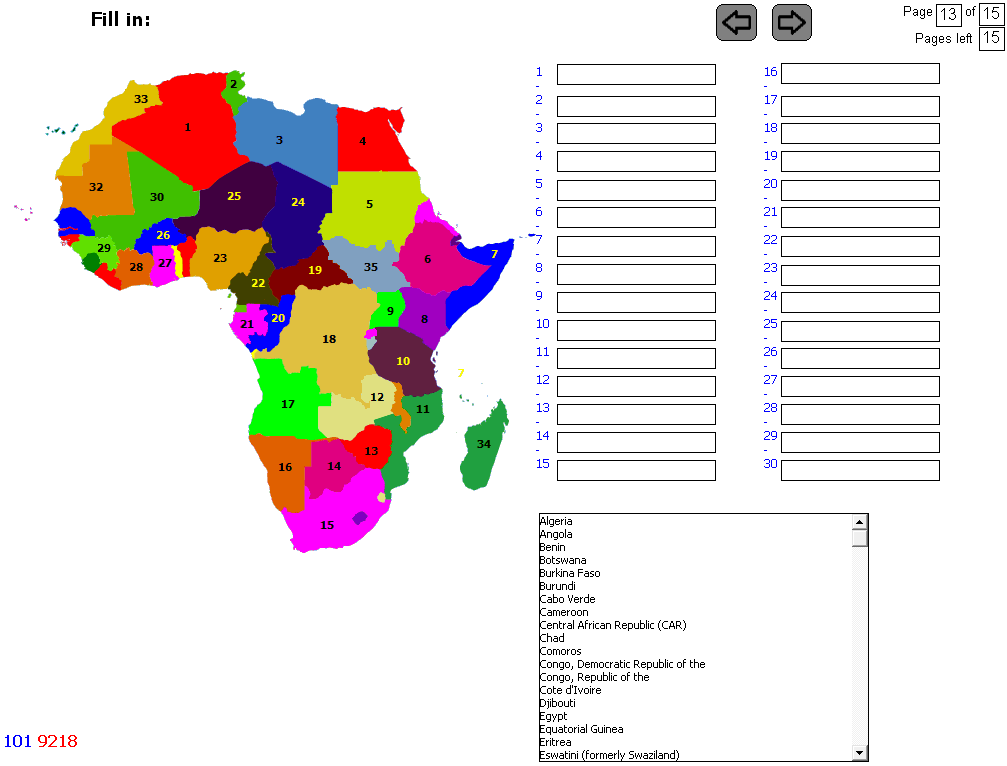

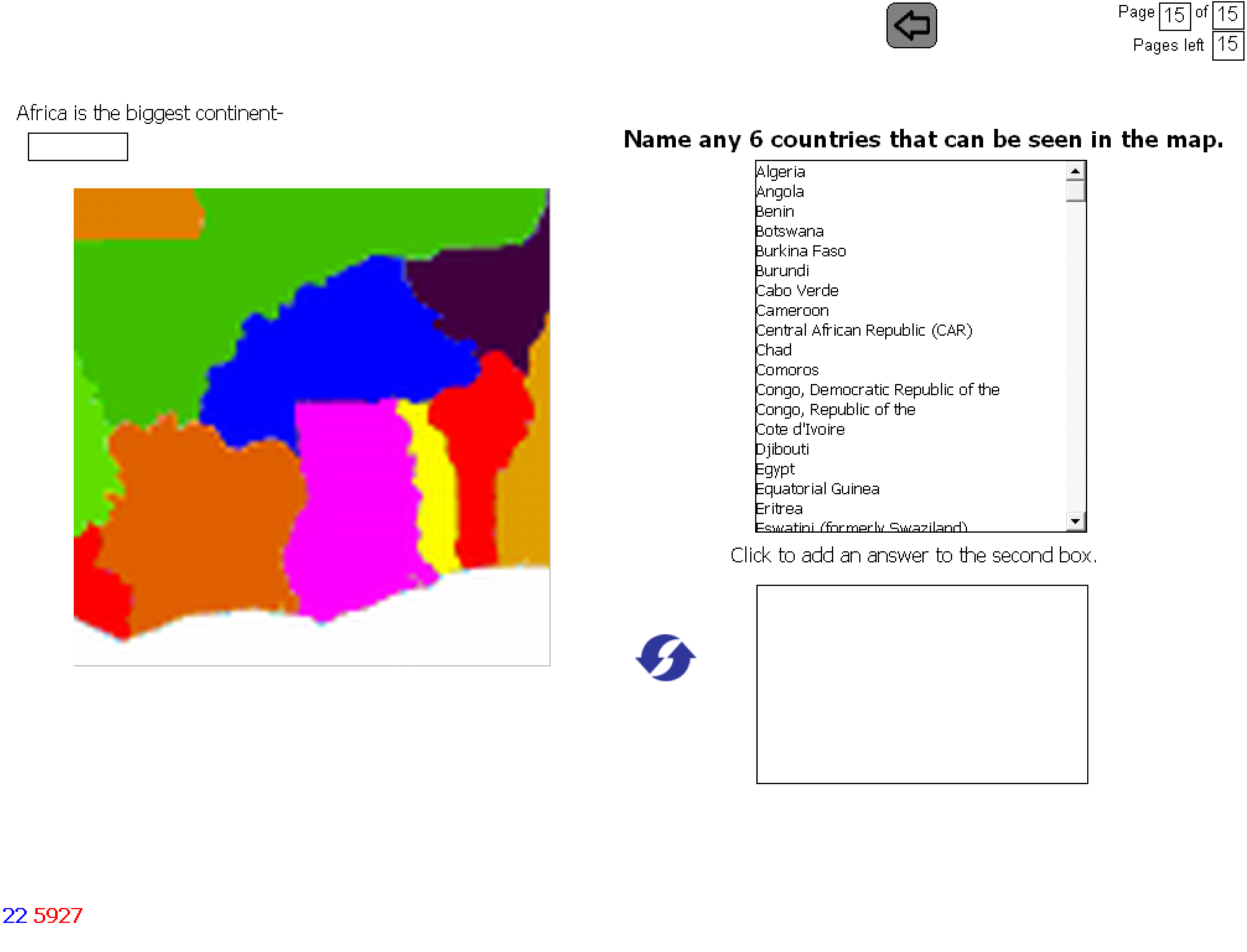
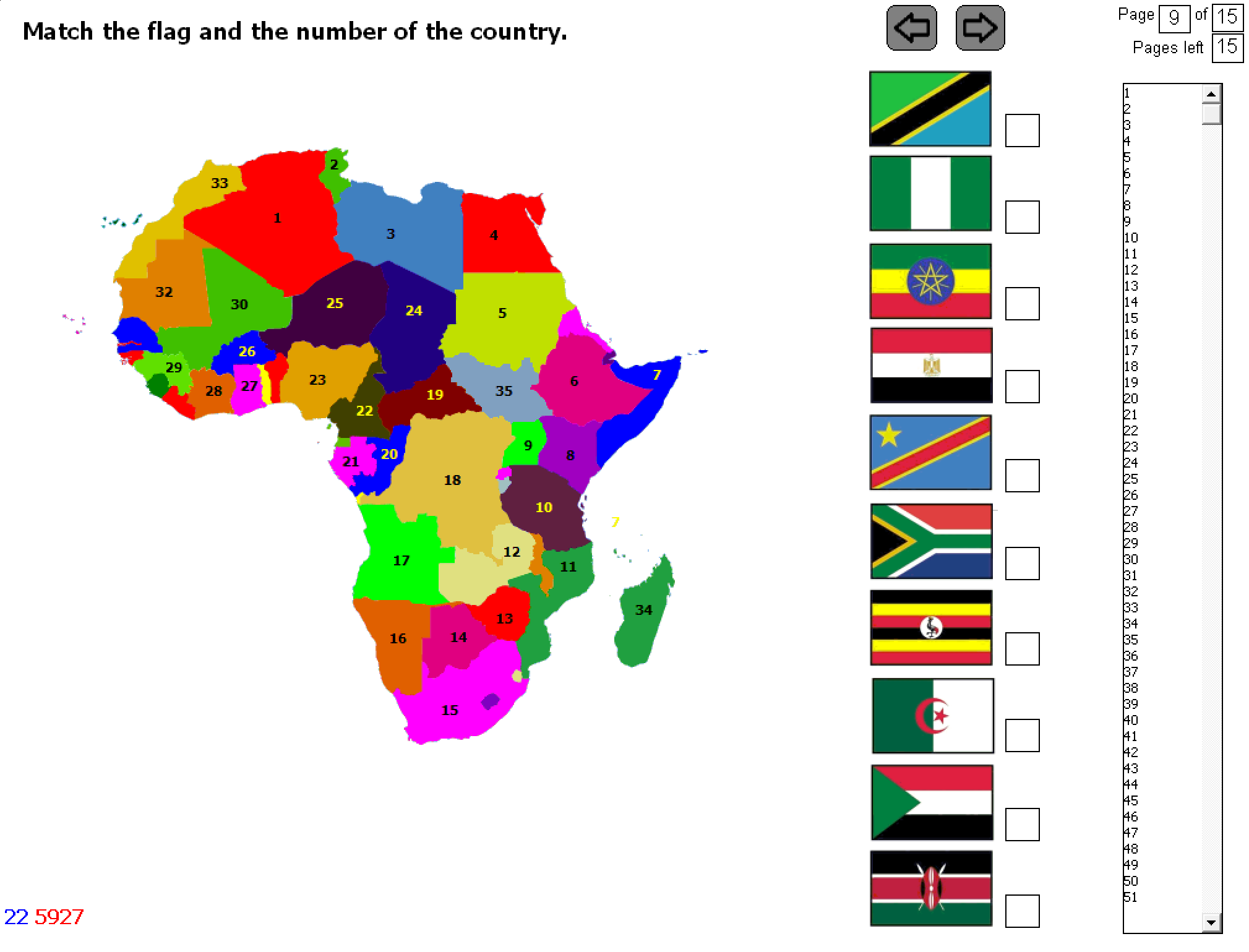
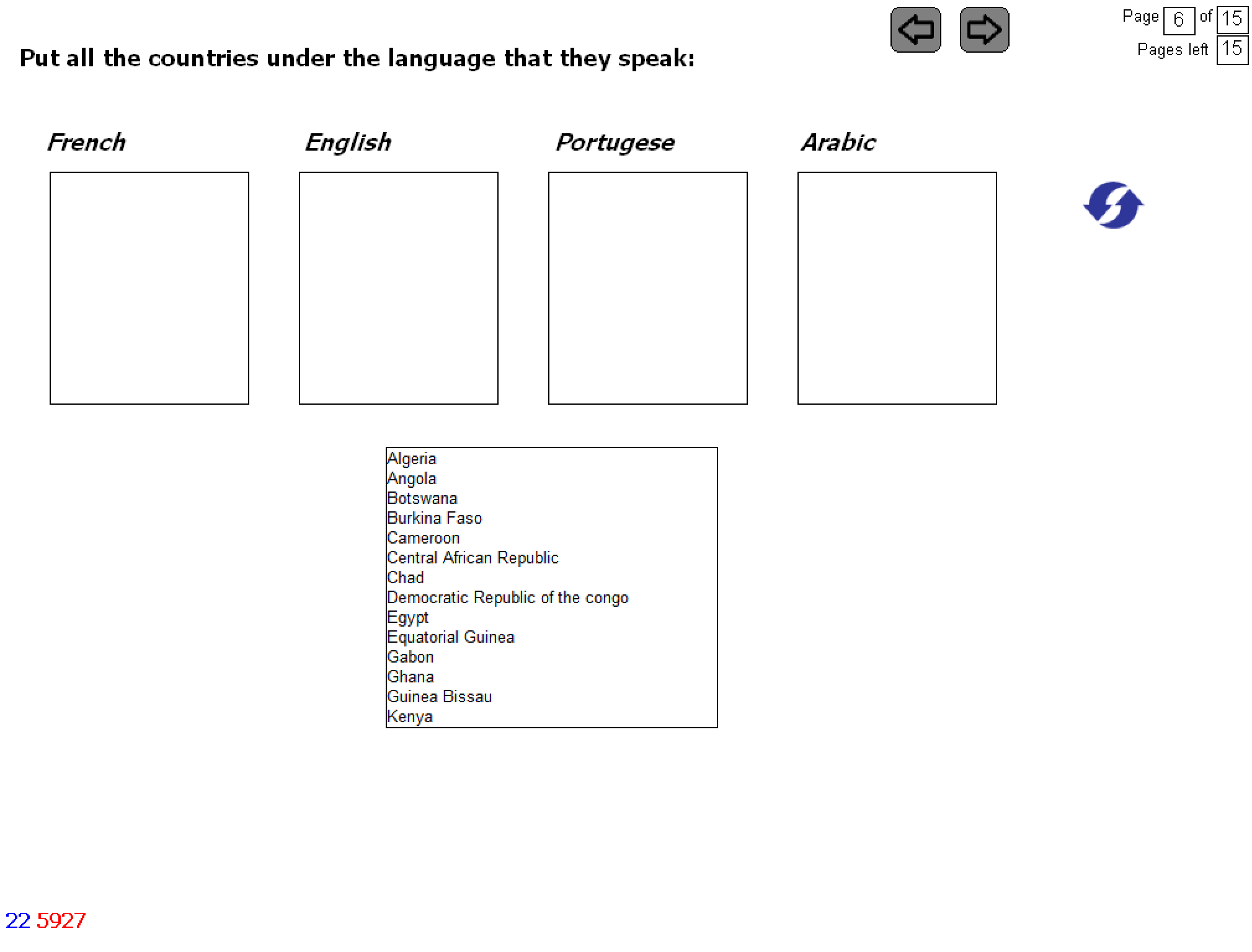
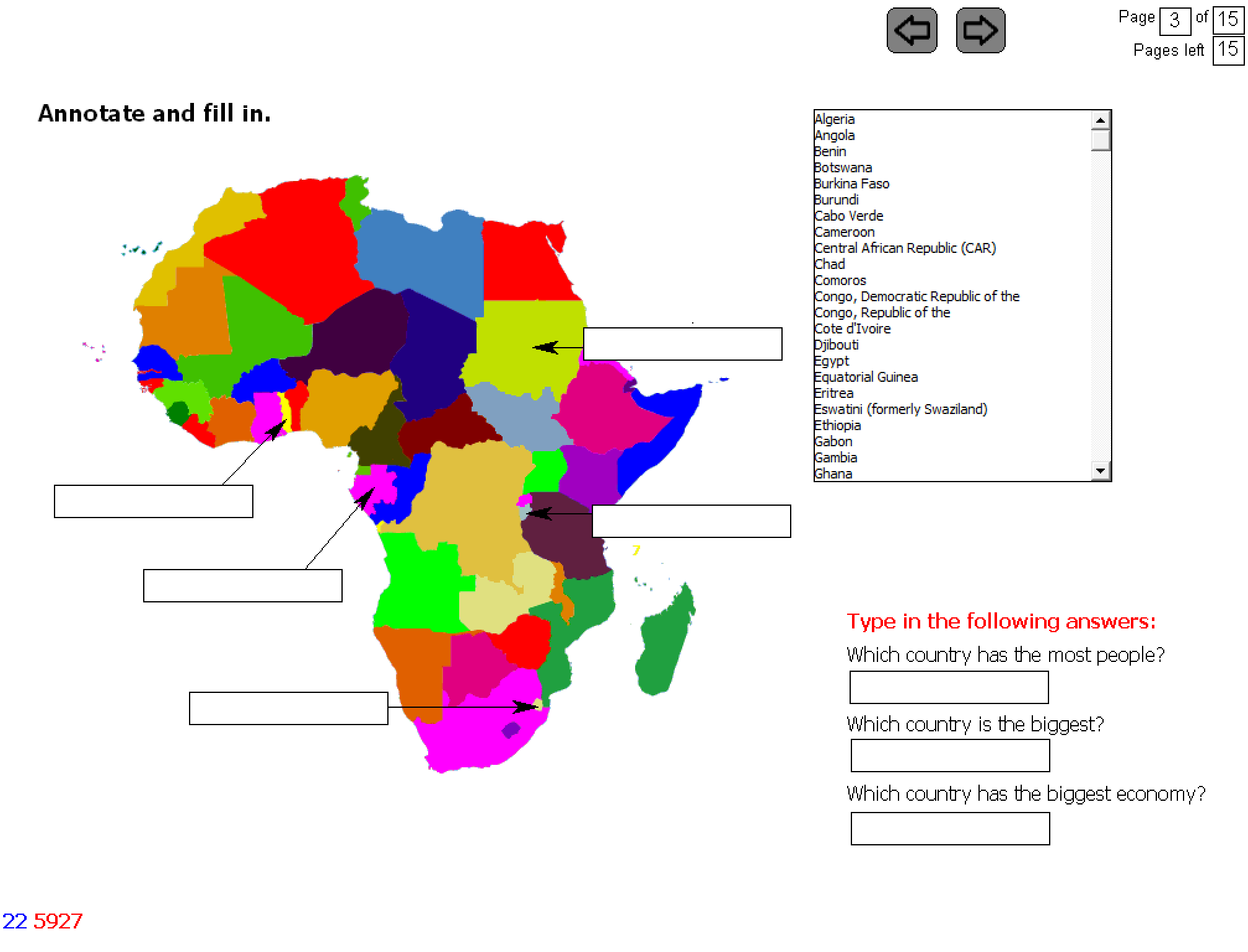
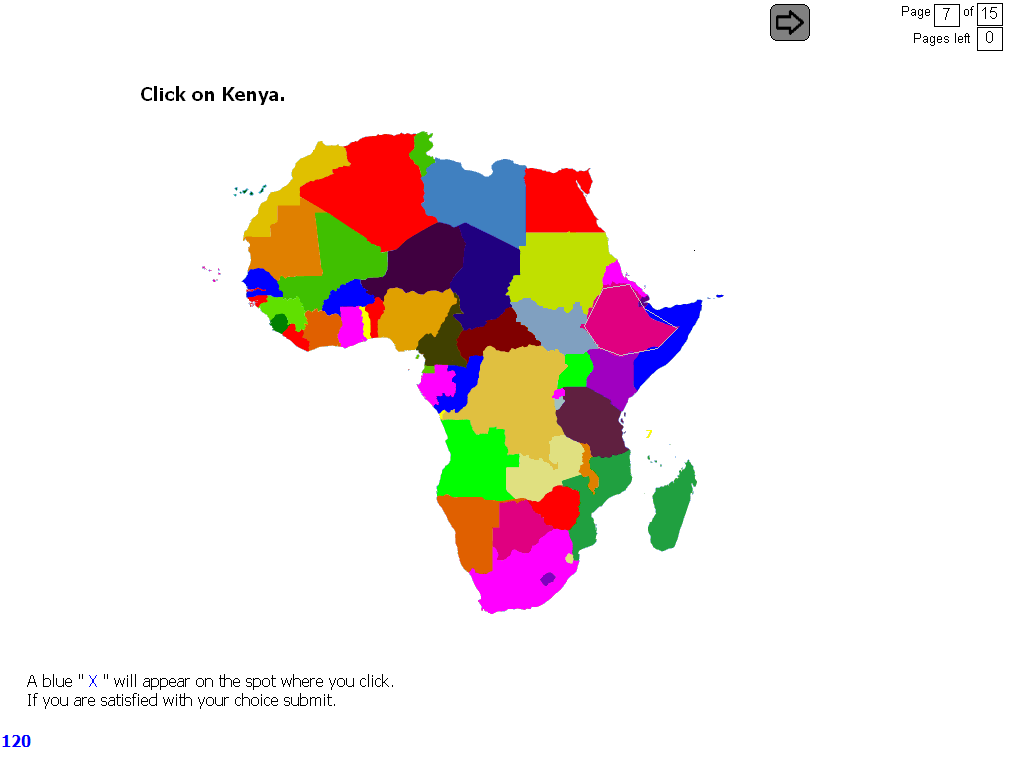

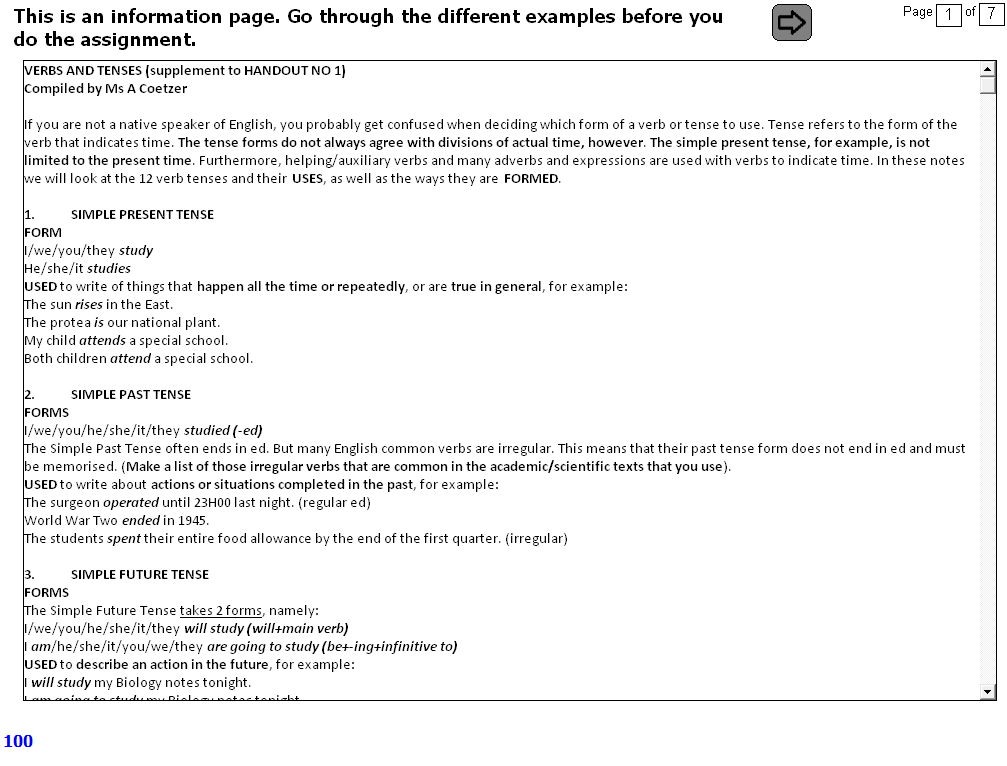
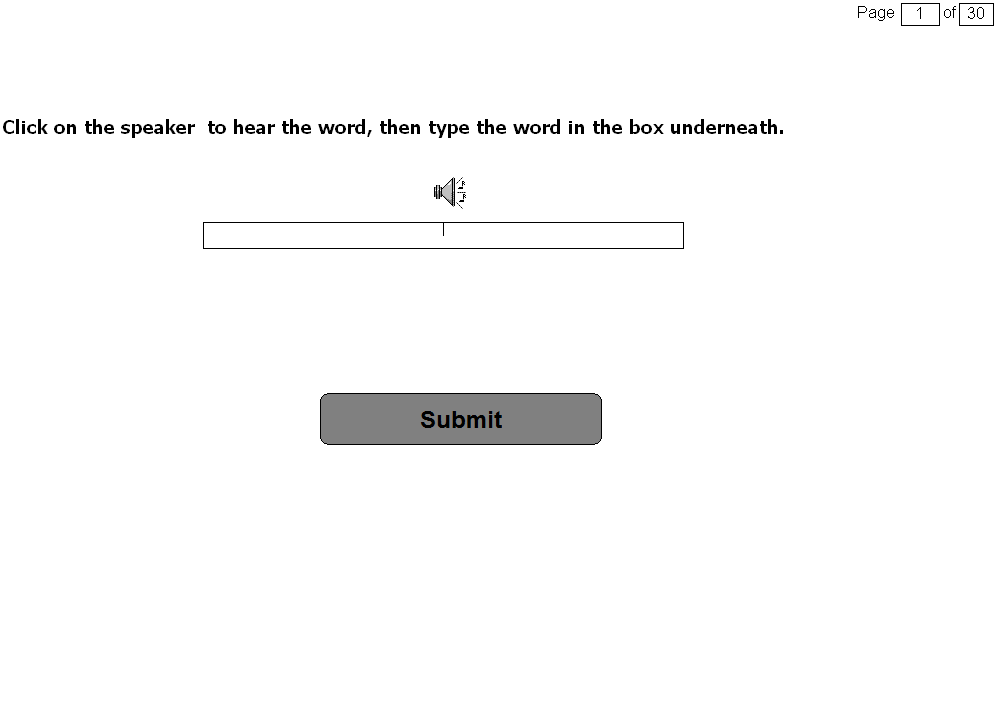
The software:
This program is being used for tests, exams, assignments and self-assessment. It has been in use since 2008 and during this period the program was constantly improved and features were added as suggested by users thereof. The program significantly reduces the workload of a lecturer (a lecturer can lecture 500 students but cannot mark 500 scripts) while providing much information about the knowledge levels of the students to take back to the classroom.
The program is a file based system. A test is set up starting with a blank file. This process is offline and is similar to creating a presentation. Presentations are compiled offline which eliminates the need to set tests online
Questions from previous tests or from a text file can be imported into the test. Once the test is completed, (it can be password protected) it can be made available to anybody who uses Windows and has installed a reader on their computer. Names and student numbers are incorporated into the test.
The program generates a unique code which can be sent to the lecturer as a text message. The lecturer can then decode the code to get the mark scored. It will also, if desired, generate a marked script. This script (a text file) can be in a coded format so that if the assignment is done at home the student cannot see the results. This script can then also be sent back to the lecturer who can decode it for marking (if needed) and for statistical analysis.
If the test is put on a network, it will write the script to a selected space on the network. These scripts can then be imported into a file called an extractor where marking, modification (fixing of possible errors in the test) and statistics can be done.
Issues Concerning CBT:
A test counts 100 marks and it consists of 100 questions, each with 4 distractors. If a student that knows 40 of the answers, (if an answer is known, it does not matter how many distractors there are) write the test, the other 60 questions will be guessed resulting in an additional 15 correct answers (20% because of the 4 distractors). This will give the student a mark of 55% in stead of 40%.
The number of distractors thus play an important role in the results of the test. Many lecturers use 3, 4 or 5 distractors due to guessing resulting in an inflated mark. One solution is to do negative marking.
What do you subtract for an incorrect answer: .25, .5 or 1 mark? The other way of fixing the inflated mark obtained by 3, 4 or 5 distractor questions is to apply a standard setting. There are different methods like Angoff’s method which uses subject experts to judge difficulty, and Cohen’s method that uses 60% of the 95th percentile student, or the modified Cohen method that uses the 90th percentile.
So which system should you use? We tried to solve the problem by firstly asking questions where the distractors are not needed to answer the question. In doing so, the number of distractors can be increased to more than 20. A user reads the question and decides what the answer is and then finds it in an alphabetical list of distractors. Some questions with distractors are not really MCQ questions such as when you ask in which month something happened and you give all 12 months as distractors or if you ask which African country, and you give all the African countries as distractors.
The most popular question type with this tool is the page where more than one question (up to 10) is asked and the distractors are all grouped together in a single distractor box.
Some answers are difficult to hide between distractors and should be asked as type-in answers. The program has a function where a list is created containing all the different answers given by the students for that specific question. The lecturer then marks the answers in the list by clicking on the correct answers. The more overlapping of answers there are, the less there is to mark.
Assignments:
The designing aim was to create a program which can be used offline but still gives feedback. Riddel assignments can be preloaded, E-mailed, shared on DropBox or Google Drive, or put on the LMS to be downloaded. Not much data is required for this. Access is controlled by the student numbers in the assignment and by making passwords available at certain times. Assignments can be linked up so that assignment 2 cannot be done before a set score (e.g. 80%) was achieved for assignment 1. An unlimited number of assignments can be linked up in this way. A valid code from the last assignment thus means that all assignments were completed successfully.
The biggest obstacle with distance learning is devices and data. Data is often too expensive or unavailable or unreliable. With this program, only a device is needed and not much data.
Tests can be adapted for visually impaired students by increasing the font sizes.